

Writing a book is a monumental achievement that requires discipline, creativity, and an immense amount of time. Whether you have spent months or years crafting your narrative, reaching the final page of your manuscript is a milestone worth celebrating. However, finishing a draft is only the midpoint of the journey toward becoming a published author. Between the final word of your manuscript and the hands of a reader lies a critical bridge known as professional editing.
In the modern publishing landscape, the barrier to entry has lowered, but the standard for quality has never been higher. Readers today are discerning, and the competition on digital platforms like Amazon is fierce. To stand out, your work must be polished to a professional standard. This guide explores why professional editing is the single most important investment you can make for your literary career.
The Psychological Reality of Author Blindness
One of the greatest challenges every writer faces is a phenomenon often called author blindness. When you spend hundreds of hours immersed in your own world, your brain begins to function on autopilot. You no longer see the words exactly as they appear on the screen. Instead, your mind fills in the gaps based on your intentions.
This cognitive bias makes it nearly impossible to catch your own errors. You might overlook a missing word, ignore a repetitive sentence structure, or fail to notice a significant plot hole because you already know how the story is supposed to end. According to research on human perception and cognitive load, our brains prioritize meaning over literal visual accuracy when we are familiar with a text. A professional editor provides the fresh, objective perspective necessary to see what is actually on the page rather than what you think is there.
Understanding the Four Levels of Editing
Many debut authors mistake editing for simple spell-checking. In reality, professional editing is a multi-layered process that addresses different aspects of your manuscript. At Bright Book Publishing, we emphasize that a high-quality book usually requires several stages of refinement.
1. Developmental Editing: The Big Picture
Developmental editing is the most intensive form of review. It focuses on the structural integrity of your story or the logical flow of your nonfiction argument. An editor at this stage looks for inconsistencies in character motivation, pacing issues, and narrative gaps. If your protagonist suddenly changes personality in chapter five or if a subplot leads to a dead end, a developmental editor will identify these flaws and suggest ways to tighten the foundation of your work.
2. Line Editing: The Art of the Sentence
Line editing focuses on the “music” of your prose. The goal here is to enhance your unique authorial voice while ensuring clarity and impact. A line editor examines sentence structure, word choice, and the overall atmosphere of the writing. They work to eliminate clichés, fix awkward phrasing, and ensure that your descriptions evoke the right emotions in the reader.
3. Copyediting: Technical Precision
Copyediting is where the technical rules of the English language come into play. This includes correcting grammar, punctuation, and syntax. Consistency is a major focus here. For example, if you spell a character’s name “Catherine” in the first half of the book and “Katharine” in the second, a copyeditor will catch the discrepancy. Most professional editors in the United States follow the Chicago Manual of Style, which is the industry standard for book publishing.
4. Proofreading: The Final Safety Net
Proofreading is the very last step before a book is printed or uploaded as an ebook. It is not meant for big changes. Instead, it is a final check for lingering typos, formatting glitches, or stray punctuation marks. It ensures that the final product is as close to perfect as humanly possible.
Protecting Your Reputation in the Digital Marketplace
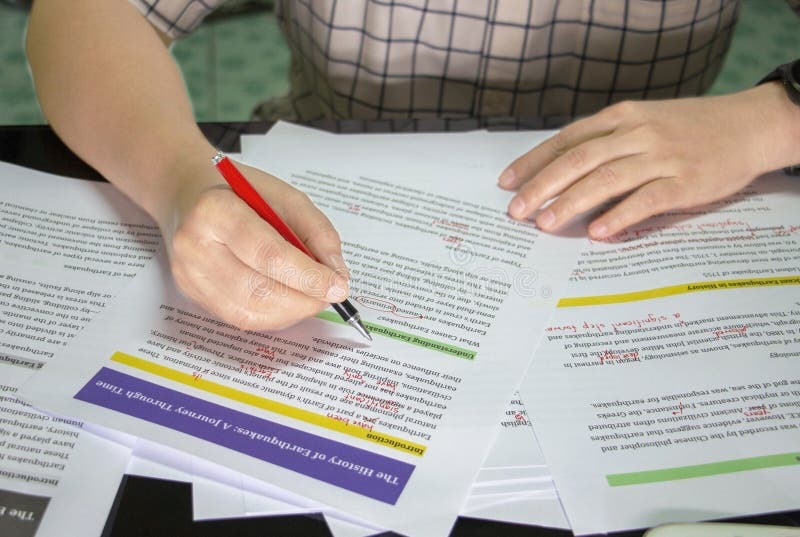
We live in the era of the “one-star review.” In the past, traditional publishers acted as gatekeepers, ensuring that only polished works reached the shelves. Today, self-publishing allows anyone to release a book, but this freedom comes with a significant risk. If a reader downloads your book and finds it riddled with errors, they will likely leave a public review criticizing the quality of the work.
Negative reviews regarding poor editing are incredibly difficult to overcome. They discourage future buyers and can damage your brand as an author for years to come. By investing in Amazon book publishing services, you are essentially purchasing insurance for your reputation. A clean, error-free book signals to the reader that you are a serious professional who respects their time and investment.
Competing with Traditional Publishing Standards
When your book appears on a digital storefront, it sits right next to titles released by major publishing houses like Penguin Random House or HarperCollins. These organizations employ teams of editors to ensure their books meet the highest possible standards. To compete effectively, your independent publication must match that level of quality.
According to data from The Authors Guild, authors who invest in professional services, including editing and professional cover design, see a significantly higher return on investment and better long-term sales than those who take a “DIY” approach. Quality is the greatest marketing tool you have. A well-edited book leads to word-of-mouth recommendations, which are the most powerful drivers of book sales.
Refining Your Voice Without Losing Your Soul
A common fear among writers is that an editor will “strip away” their personal style or rewrite the book in their own image. This is a misunderstanding of what a great editor does. A skilled editor acts as a mirror, reflecting your work to you so you can see it more clearly.
The goal of a professional editor is to remove the obstacles between your vision and the reader. By cutting out unnecessary adverbs, clarifying murky dialogue, and smoothing out rough transitions, the editor allows your true voice to shine through more brightly. At Bright Book Publishing, our philosophy is to support the author’s vision while ensuring the manuscript adheres to professional industry standards.
How to Prepare Your Manuscript for Professional Review

Before you send your work to a professional, there are a few steps you should take to get the most out of the experience.
- Perform a self-edit: Read your manuscript out loud. This simple trick helps you catch clunky sentences and repetitive words that your eyes might have missed.
- Check your formatting: Ensure your manuscript follows basic industry standards, such as using a standard font like Times New Roman and maintaining consistent spacing. You can learn more about this in our guide to Manuscript & Editing Services.
- Identify your concerns: If you know that your pacing feels slow in the middle of the book, tell your editor. Being honest about your weaknesses allows the editor to focus their energy where you need it most.
The Financial Logic of Editing
Some authors view editing as a high expense, but it is more accurate to view it as a foundational investment. Think of your book as a product. If you were launching a new tech gadget or a clothing line, you would never release a prototype that was broken or unfinished. Your manuscript is your product, and editing is the quality control phase of manufacturing.
A book that is poorly edited will struggle to gain traction, no matter how much you spend on advertising. Conversely, a beautifully edited book can grow organically through reader enthusiasm and high ratings. The long-term value of a polished manuscript far outweighs the initial cost of hiring a professional.
Why Choose Bright Book Publishing?
Navigating the world of editors can be overwhelming. Finding a freelancer who understands your genre and respects your voice is a daunting task. This is where a dedicated publishing partner makes a difference.
At Bright Book Publishing, we provide a comprehensive suite of services that take you from the initial draft to a finished masterpiece. Our editors are experienced professionals who understand the nuances of the US publishing market. We don’t just fix commas; we help you build a better book. From story writing services for those who have a story but need help telling it to meticulous line editing and proofreading, we are committed to your success.
Final Thoughts
Your manuscript is a reflection of your hard work, your imagination, and your legacy. It deserves to be presented in its best possible light. Professional editing is not an admission of weakness as a writer; rather, it is a commitment to excellence. Every bestselling author you admire works with an editor to refine their craft, and you should too.
When you choose to have your work professionally edited, you are telling the world that your story matters. You are ensuring that when a reader opens your book, they are transported into your world without the distraction of typos or confusing plot points.
Are you ready to transform your manuscript into a professional book?
Visit our Book Editing Service today to learn how we can help you achieve your publishing dreams. Let us help you turn your draft into a bestseller that stands the test of time.